Preparation That Prevents Costly Shutdowns
HVAC Tune Ups in Leesburg for systems entering peak summer and winter demand periods
Alabama summers push air conditioning systems to run for hours daily, and even minor inefficiencies compound into higher energy costs and increased wear on critical components like compressors and fan motors. Seasonal tune ups performed by Jenkins Heating & Air Conditioning inspect and clean essential parts before extreme weather hits, catching issues like low refrigerant levels, loose electrical connections, and restricted airflow that lead to mid-season failures. The work focuses on preparing heating and cooling equipment for reliable operation when you're depending on it most, rather than waiting until something stops working to address preventable problems.
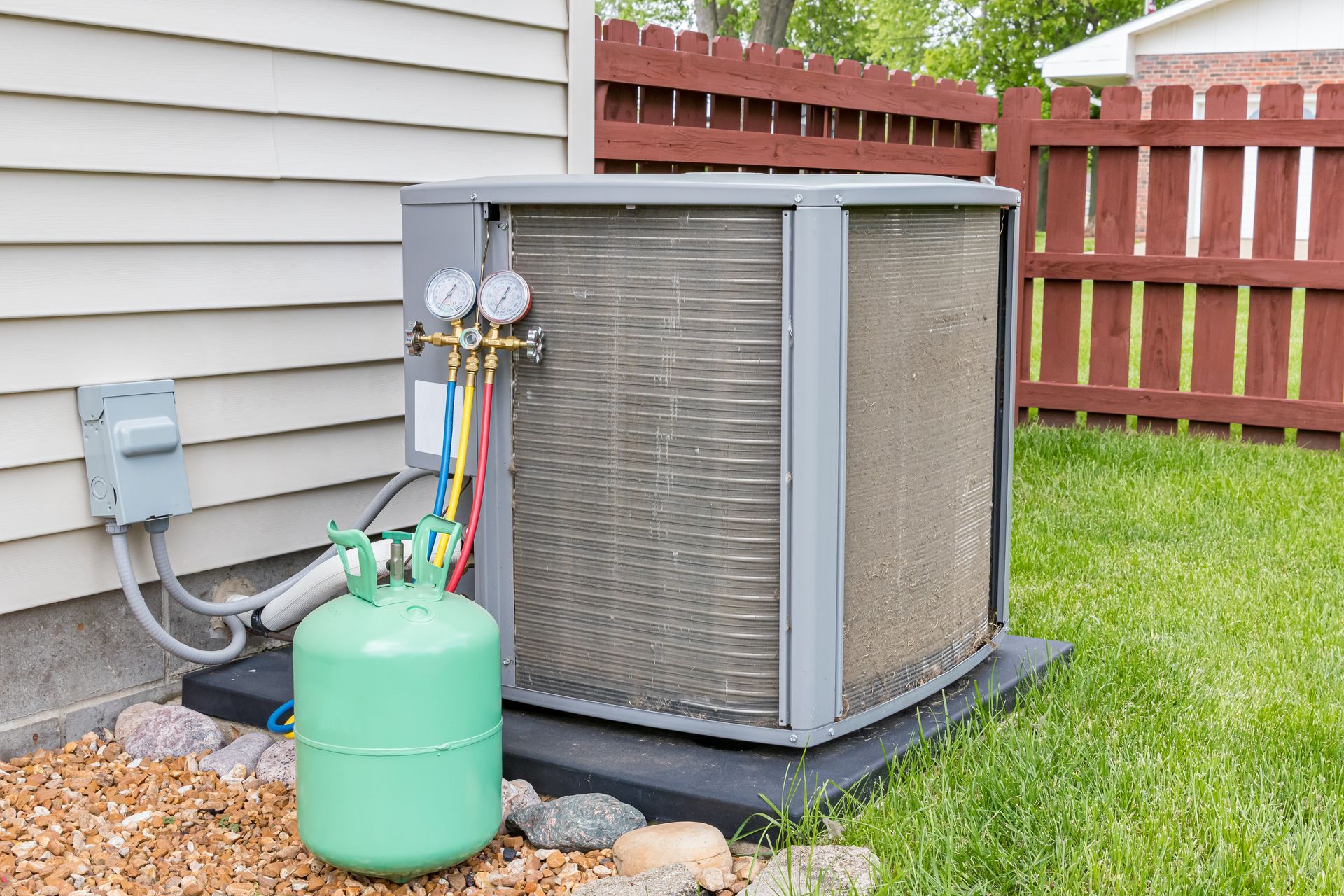
Tune up visits involve testing thermostat calibration, measuring voltage and amperage at key components, lubricating moving parts, checking refrigerant charge, and cleaning condenser coils to remove debris that blocks heat transfer. These steps reduce energy waste by allowing the system to operate without working harder than necessary to achieve set temperatures.
Arrange a pre-season tune up to address small concerns before they escalate into expensive emergency repairs during peak usage months.
How Tune Ups Address Performance Issues
Routine inspection identifies wear patterns and component degradation before they cause failures, such as capacitors showing early signs of swelling, belts developing cracks, or drain lines beginning to clog. Addressing these findings during a scheduled visit costs significantly less than handling them as emergency repairs when the system shuts down unexpectedly.
Once the tune up is complete, the system runs with improved efficiency, cycling at appropriate intervals without excessive starts and stops, and maintaining more consistent temperatures throughout the home. You'll also notice quieter operation as technicians tighten loose components and lubricate parts that were beginning to generate noise from friction.
Tune ups don't replace parts unless something is already failing, but they do provide documentation of system condition and recommendations for parts that should be monitored or replaced proactively. This approach supports longer equipment life by reducing the strain that comes from operating with dirty coils, incorrect refrigerant levels, or poorly calibrated controls.
Answers to Frequent Service Questions
Seasonal maintenance raises practical questions about timing, frequency, and what the service actually involves, so here's what homeowners typically ask.
When should I schedule a tune up?
Air conditioning systems should be serviced in spring before cooling season, and heating systems should be checked in fall before temperatures drop, ensuring each operates efficiently when demand peaks.
What does the inspection process involve?
Technicians measure airflow, test electrical components, inspect heat exchangers or evaporator coils for damage, verify thermostat operation, and clean parts that accumulate dust and debris during normal use.
How often should tune ups be performed?
Annual service for each system—one for heating, one for cooling—keeps equipment running reliably and helps catch problems early enough to avoid secondary damage to other components.
Why does refrigerant level matter?
Low refrigerant forces the compressor to work harder and reduces cooling capacity, leading to longer run times, higher energy costs, and potential compressor failure if the issue goes unaddressed.
What gets documented during a tune up in Leesburg?
Service reports detail component condition, measured performance metrics like temperature differential and airflow volume, and any recommended repairs or part replacements based on observed wear patterns.
Experienced technicians with Jenkins Heating & Air Conditioning perform tune ups with attention to detail, ensuring critical components receive the inspection and cleaning required to support reliable operation. Contact the office to schedule seasonal maintenance before extreme weather increases demand on your system.