Reliable Heat Before Cold Weather Arrives
Heating System Service in Leesburg for furnaces and heat pumps showing reduced output or irregular cycling
A furnace that struggles to warm the house evenly, cycles on and off more frequently than it used to, or produces unusual sounds during operation signals developing issues that seasonal heating system service addresses before they escalate into full equipment failures. Jenkins Heating & Air Conditioning performs inspections, diagnostics, and repairs on residential heating equipment to maintain safe and efficient operation throughout colder months. When burners become clogged with debris, ignition components wear out, or blower motors develop bearing issues, performance degrades gradually until the system stops working entirely—usually during the coldest stretch of winter when repair demand peaks and availability tightens.
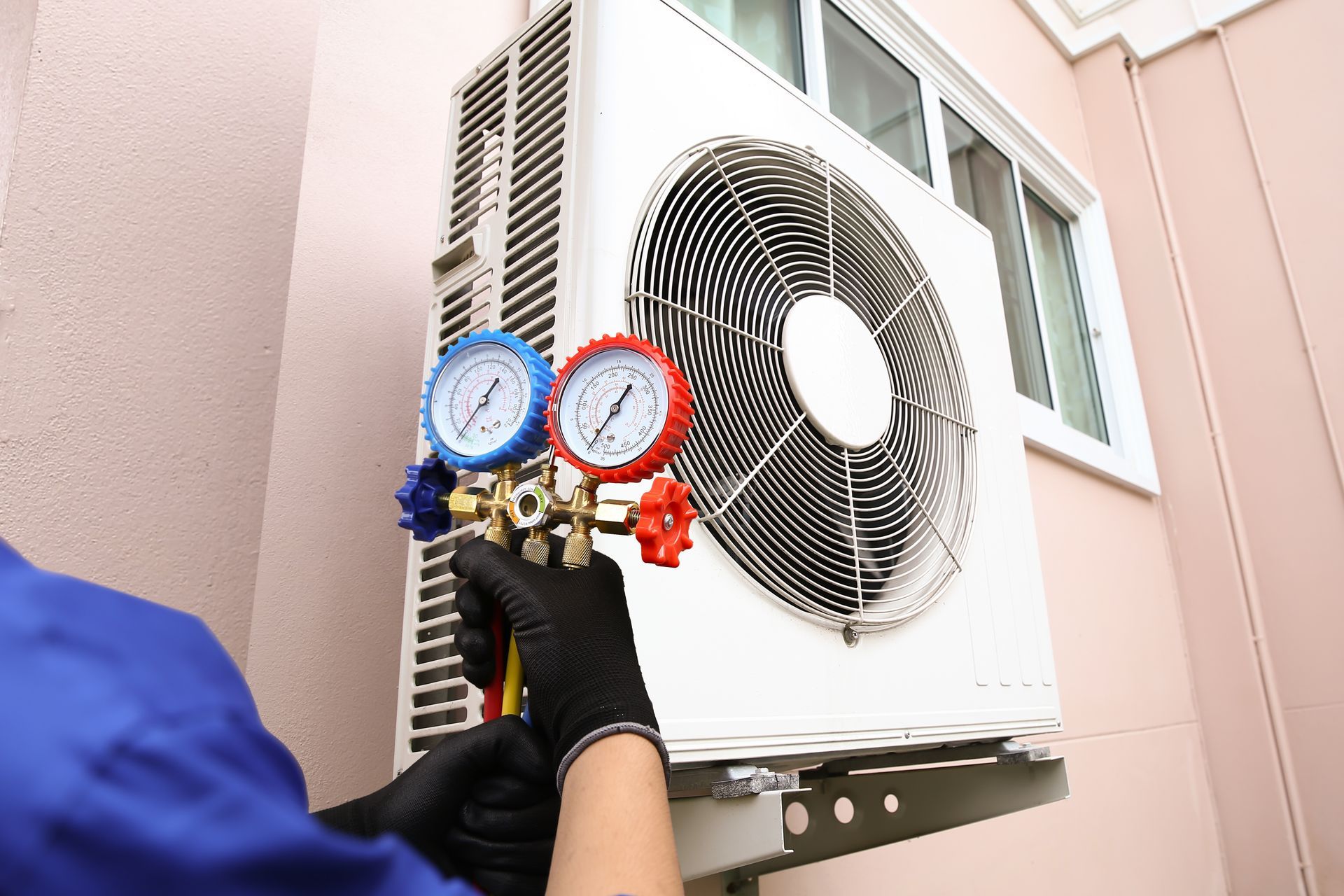
Heating service includes inspecting gas valve operation, testing ignition reliability, measuring airflow across the heat exchanger, and checking safety controls that shut the system down if unsafe conditions develop. Technicians also clean burner assemblies, lubricate motor bearings, and verify that exhaust venting remains clear and properly sealed to prevent carbon monoxide from entering living spaces.
Request a heating system evaluation before winter temperatures arrive to identify concerns that could affect reliability.
What Heating Inspections Prevent Long-Term
Regular heating system service identifies components approaching failure—such as cracked heat exchangers, weakened ignitors, or capacitors losing charge—before they cause complete shutdowns. Addressing these issues during scheduled service visits prevents emergency repair calls in January when outdoor temperatures drop and indoor comfort becomes a safety concern, especially for households with young children or elderly residents. Inspections also verify that combustion processes remain efficient and that safety devices like flame sensors and limit switches respond correctly to abnormal operating conditions.
Once service is complete, the furnace or heat pump ignites consistently on the first call for heat, delivers warmer air more quickly, and maintains even temperatures without the short cycling that increases wear and energy use. You'll also notice quieter operation as loose components are tightened and motors receive proper lubrication, eliminating rattles and grinding sounds that indicate friction and impending failure.
Heating service supports warranty protection for newer equipment and extends the operational lifespan of older systems by reducing stress on components that work harder when other parts underperform. For heat pumps, which handle both heating and cooling duties, fall service ensures the reversing valve, defrost controls, and supplemental heat stages function correctly before heating season begins.
Common Questions About This Service
Customers often want to understand what heating service involves and when to schedule it for maximum benefit.
What happens during a heating system inspection?
The technician tests ignition components, measures gas pressure and airflow, inspects the heat exchanger for cracks, verifies thermostat communication, checks electrical connections, and cleans burners and flame sensors to ensure reliable operation.
How does heating service improve safety?
Inspections identify cracked heat exchangers that can leak carbon monoxide, verify that venting exhausts combustion gases properly, and test safety controls that shut the system down if dangerous conditions develop during operation.
When should I schedule heating service in Leesburg?
Fall scheduling, ideally in October or early November before overnight temperatures drop consistently, allows time to address repairs without the urgency of a mid-winter breakdown when heating is essential.
Why does my furnace cycle on and off frequently?
Short cycling often results from clogged filters restricting airflow, oversized equipment for the space being heated, or failing limit switches that shut the burner down prematurely, all of which seasonal service can diagnose and correct.
What reduces heating efficiency over time?
Dirty burners reduce flame intensity, blower motors lose speed as bearings wear, and aging ductwork leaks conditioned air into attics or crawlspaces, forcing the system to run longer to achieve the same indoor temperature.
Jenkins Heating & Air Conditioning provides detailed diagnostics and transparent repair recommendations so you understand what your heating system needs and why. Call (256) 295-3547 to schedule seasonal service and avoid the discomfort and expense of emergency repairs during the coldest months.