Airflow Problems Start Inside Hidden Ducts
Ductwork Repair and Replacement in Leesburg for properties with uneven room temperatures and high energy costs
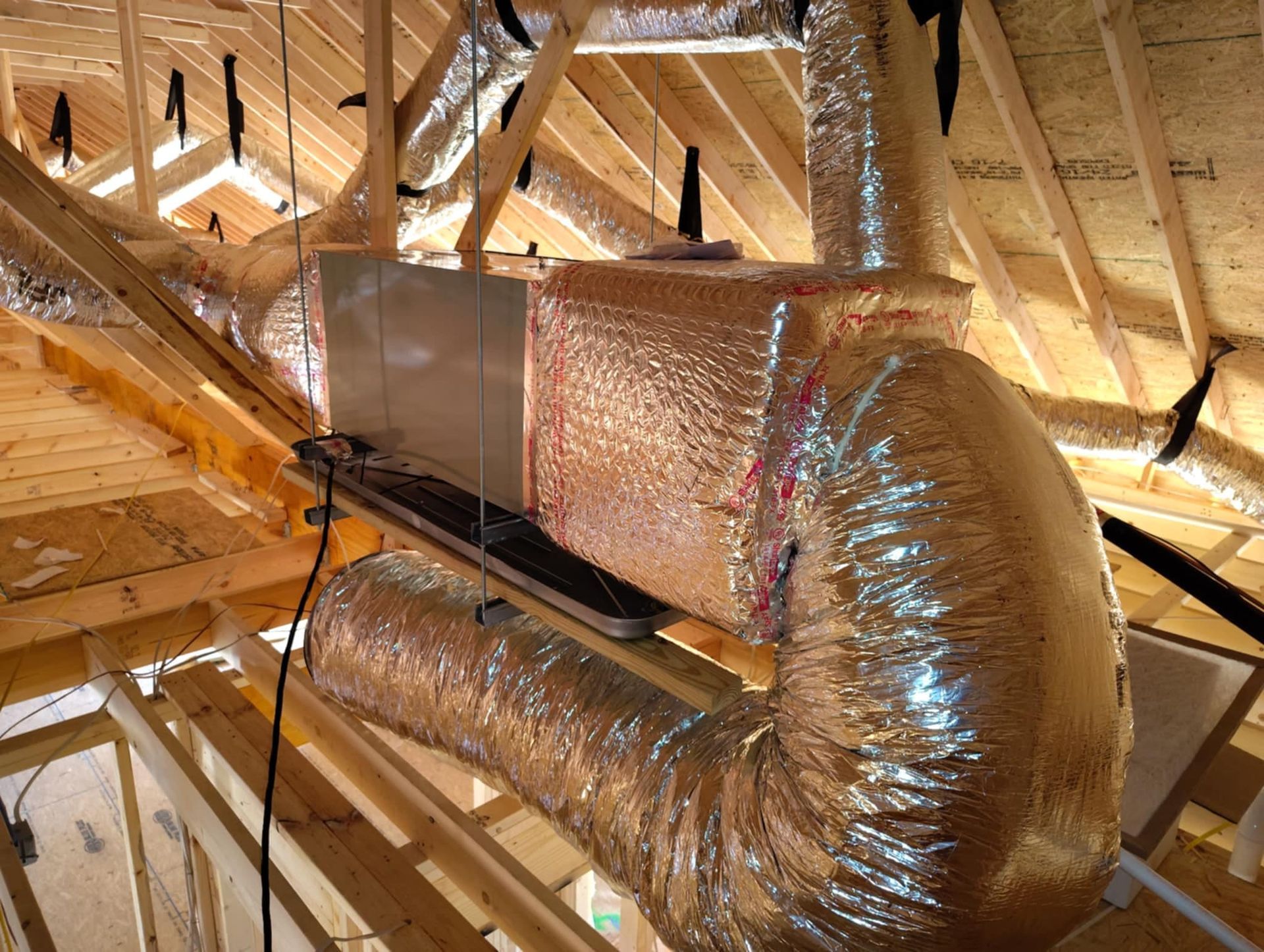
Uneven temperatures between rooms, higher-than-expected utility bills, and HVAC systems that run constantly without achieving comfort all point to ductwork that's leaking conditioned air into attics, crawlspaces, or wall cavities instead of delivering it to living areas. Jenkins Heating & Air Conditioning repairs damaged ducts and replaces aging duct systems that no longer distribute airflow efficiently. When sections of ductwork develop gaps at seams, crimped areas that restrict airflow, or insulation deterioration that allows temperature loss, the furnace or air conditioner works harder to compensate without ever fully resolving the comfort problem.
Duct repair involves sealing leaks at joints and seams using mastic sealant rather than standard duct tape, which degrades over time, and replacing crushed or disconnected sections that block airflow to specific rooms. Replacement becomes necessary when ducts show extensive rust, sagging from poor support, or undersized runs that can't deliver adequate volume to larger rooms or additions built after the original installation.
Arrange an airflow assessment to identify specific duct issues affecting temperature distribution in your home.
Why Duct Condition Determines System Performance
Leaking ductwork forces your heating and cooling equipment to operate longer cycles to maintain set temperatures because a significant portion of conditioned air never reaches the intended rooms. This lost airflow not only wastes energy but also creates pressure imbalances in the system that reduce equipment lifespan and contribute to indoor air quality problems when unconditioned air is pulled in through return leaks. Proper duct sealing and sizing ensure that the volume of air your HVAC system produces actually arrives where it's needed.
After duct repairs or replacement, rooms that previously stayed warmer or cooler than the rest of the house reach the thermostat setting more consistently, and the system shuts off once the target temperature is achieved instead of running continuously. You'll also notice less dust accumulation around vents and reduced noise from air rushing through restricted sections that previously whistled or rattled during operation.
Duct evaluation is typically performed alongside broader HVAC performance assessments, especially when comfort complaints persist despite a functioning furnace or air conditioner. Inspections may reveal issues like inadequate return air paths, improperly sealed plenums, or flex duct that has compressed over time and now restricts airflow to bedrooms or upstairs areas.
Answers to Frequent Ductwork Questions
Homeowners often ask how duct problems develop and what signs indicate the need for repair versus full replacement.
How do I know if my ducts are leaking?
Rooms that never reach the set temperature, excessive dust near vents, higher utility bills without increased usage, and visible gaps or disconnections in accessible duct sections all indicate leaks that need sealing or segment replacement.
What causes ductwork to fail over time?
Poorly secured joints separate as buildings settle, metal ducts rust in humid crawlspaces common in Alabama, and flex duct sags when support straps loosen, creating low spots where airflow slows and condensation can collect.
Can ductwork be repaired without full replacement?
Many duct issues are repairable through sealing, insulation upgrades, and section replacement, though systems with extensive rust, undersized runs, or asbestos-wrapped ducts in older homes often benefit from complete replacement.
What changes after duct repair is completed?
Airflow becomes more balanced across all rooms, the HVAC system reaches the thermostat setting faster and cycles off appropriately, and monthly energy costs decrease as less conditioned air escapes into unconditioned spaces.
When should I schedule a duct inspection in Leesburg?
Inspections make sense when you notice uneven temperatures, plan HVAC equipment replacement, or experience comfort problems that persist after routine furnace or air conditioner maintenance has been performed.
Jenkins Heating & Air Conditioning evaluates duct systems as part of broader HVAC performance assessments to identify airflow restrictions and energy loss points. Contact our team to schedule an inspection when comfort or efficiency concerns suggest hidden duct issues may be affecting system performance.